A Practical Checklist for Audio for Fitness Routines
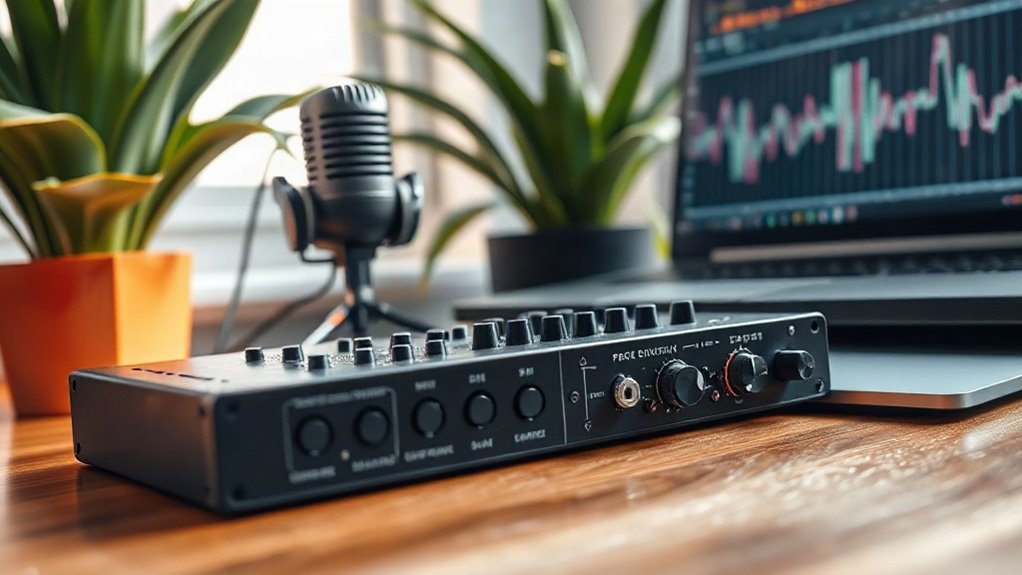
A little planning can make browser-based media work more reliable. This guide focuses on organizing permitted audio for walks, runs, and workouts. A checklist works best when each step has one clear purpose. The aim is a result that is easy to save, play, and manage. A responsible workflow begins with media that you may lawfully save.
The service works in a web browser, so there is no separate desktop program to install. Its MP3 choices include 128kbps, 192kbps, and 320kbps. For audio for fitness routines, think about easy playback, simple naming, and storage before you begin. Move in order from source check to quality choice, conversion, save, and playback. Those choices shape both the result and the amount of work later.
A general entertainment search may include phrases like casino; always judge the page by its real function. Treat anchor words as labels, not as a substitute for checking the page you open. For audio work, stay focused on the converter, the source rights, and the file you expect to receive. Tick off the final file check before you close the source page.
Brief Overview
- Set a clear goal for audio for fitness routines before choosing a source or quality setting.
- Think about easy playback and simple naming before the first conversion.
- Use only media you own, created, or have permission to download and keep.
- Choose a folder and file name that will still make sense when you return later.
- Play part of the finished MP3 and confirm that the result is complete before relying on it.
Understanding the Goal Behind Audio for Fitness Routines
A short test with one file can reveal problems before you handle more media. A clear process also makes it easier to spot the step that caused an error. Think first about easy playback and the kind of file you need. If the source is not available to you, conversion will not solve that access problem. Move in order from source check to quality choice, conversion, save, and playback. Keep the first run simple so you can see how the tool behaves.
That is more useful than changing several settings at once. Tick off the final file check before you close the source page. Audio for Fitness Routines works best when the goal is clear at the start. If a choice is not clear, test one file before you commit to a larger batch. After that, you can repeat the same steps with more confidence. Good results start with a source that is clear and permitted for your use.
Key Factors to Consider with Audio for Fitness Routines
Tick off the final file check before you close the source page. If the source audio is weak, a high bitrate cannot restore detail that was never there. Higher bitrates can preserve more detail, but they also create larger files. The next choice is usually about simple naming and file size. For music, you may prefer more headroom when storage is not a concern. Lower bitrates save space and can be enough for speech or casual listening.
If a choice is not clear, test one file before you commit to a larger batch. A short listening test is often better than guessing from numbers alone. Small choices about quality and storage can make a large practical difference. In this part of audio for fitness routines, the small details are worth checking. Match the setting to your headphones, speakers, storage, and listening plan. For music, you may prefer more headroom when storage is not a concern. A mixed pari match media search may include terms like xnxx; confirm the destination and keep browser privacy settings in mind.
Safe Browser and File Practices
If a browser shows a warning, read it instead of clicking through by habit. Play a short section and confirm that the audio is complete. A checklist works best when each step has one clear purpose. Choose a download folder you can find without searching through many locations. This final check takes little time and can prevent later frustration. Close extra tabs if they make it hard to tell which page started the download.
Good habits around device storage make the final file easier to manage. You do not need a complex setup for most basic audio tasks. Avoid unrelated installers, extensions, or prompts that are not needed for the task. In this part of audio for fitness routines, the small details are worth checking. If a choice is not clear, test one file before you commit to a larger batch. An MP3 file should have the expected audio extension and a sensible file name.
Building a Simple, Repeatable Routine
Back up important audio that you are allowed to keep. The goal is not to build a complex system. It is to remove needless friction. Move in order from source check to quality choice, conversion, save, and playback. Folders by topic, date, course, trip, or project can keep large collections clear. If a file will move between devices, test it on the second device early. Long-term use is easier when routine folders becomes part of the routine.
A tidy library is faster to search and easier to trust. Tick off the final file check before you close the source page. Keep notes for any naming rule that you use across many files. Common MP3 players can handle standard files, but folder locations differ by device. Keep the workflow simple so each step is easy to verify. If a choice is not clear, test one file before you commit to a larger batch.
Frequently Asked Questions
Do I need special software for this workflow?
For a browser-based converter, you normally do not need a separate program. A current browser, a stable connection, and enough storage are the main needs. Check the service page for its current requirements. Keep your device updated, and avoid installing unrelated software when the browser tool already does the task.
Why can a conversion fail?
A failed conversion can come from a bad link, a temporary network issue, an unavailable source, or a browser problem. First confirm that the source opens. Then reload the converter, try one clean tab, and repeat the job. Changing one thing at a time makes the cause easier to find.
What should I check before saving media for offline use?
Confirm that you own the media or have permission to keep a copy. Check your free storage, choose a sensible audio quality, and know where the file will be saved. After the download, play part of the file. That small check confirms that the result is usable before you depend on it offline.
Is a browser tool useful on both phones and computers?
It can be, because modern browsers work across many devices. The main differences are where downloads are stored and how easy it is to move files. On a phone, watch free space closely. On a computer, use a clear folder so finished files do not disappear into a crowded Downloads folder.
Which MP3 bitrate should I choose?
Choose the bitrate that fits the source and your use. Speech often works well at a smaller setting, while music may benefit from a higher one. Larger bitrates use more storage. A short test is the easiest way to balance sound, file size, and the device you use most.
Summarizing
Audio for Fitness Routines becomes easier when the process stays simple. Start with a permitted source, choose a practical bitrate, and save the file in a known folder. Check the result before you depend on it later. Pay special attention to easy playback and simple naming. A checklist works best when each step has one clear purpose.
A browser converter can be useful when you want a quick audio file without adding extra software. Use clear steps and keep rights, safety, storage, and file quality in view. If something fails, change one factor at a time and test again. A repeatable routine makes the next file easier to handle. Tick off the final file check before you close the source page.